Why Printing Matters
With the widespread use of digital media platforms, the value of print is frequently called into question. However, printed marketing materials and publications deliver experiences to customers and prospects that digital media can’t replicate. Here are six reasons why print is important and why using it will make a lasting impression on your target market.
Expanding communication options offers organizations more choices, but print still plays a vital role. Used on its own or combined with digital media, print captures attention, generates excitement, facilitates customer engagement, and supports mission-critical business activities.
Serving Businesses
Since 1979
Net Promoter Score (NPS)
97.2%+
Why print matters
One of the most effective marketing tools.
With the widespread use of digital media platforms, the value of print is frequently called into question. However, printed marketing materials and publications deliver experiences to customers and prospects that digital media can’t replicate. Here are six reasons why print is important and why using it will make a lasting impression on your target market.
High level of credibility
The majority of respondents, 82%, said they trust print.
A customer satisfaction study by MarketingSherpa1 asked consumers: When purchasing, which types of advertising channels do they trust most? The majority of respondents, 82%, said they trust print.*
Print offers a higher level of credibility compared to online content. Using print signals that a company is serious about its business. After all, anyone can send an email. Have you ever counted the number of spam emails you receive daily? If your marketing strategy heavily relies on email and the internet, chances are you get lost in the digital noise. This is based on a recent MarketingSherpa Customer Satisfaction Research Study.
Print has a long lifespan
Digital Media is easily forgotten.
Digital media is easily forgotten once a prospect clicks on different content. On the other hand, physical brochures and leaflets can be repeatedly referenced. Printed materials can stay in prospects’ offices or homes for months — or even years — after receiving them. They can also be passed along to friends or colleagues, maximizing the reach of the communication.

Digital fatigue is real
Times have changed.
Video ads and social media may have resonated with consumers before COVID-19, but times have changed. In the early days of the pandemic shutdown, many people had extra leisure time to consume digital content, leading to oversaturation. According to SG360’s 2021 survey of consumers, 75% say they are overwhelmed by the daily digital ads they see. Print can be a remedy for cutting through the “digital clutter” and re-engaging customers. Based on research contained in The Future of Direct Mail: An Opportunity for Unified Marketing Strategy, SG360.
Creates engaging experiences that form connections
Print is more engrossing than digital media.
Research studies often find that print is more engrossing than digital media. A Temple University study performed fMRI brain scans to evaluate consumer buying responses to physical and digital media. The results showed that while participants processed digital ad content more quickly, they spent more time with physical ads.
In addition, when viewing physical ads, participants had a stronger emotional response and remembered them better. Printed ads, though slower to capture attention, leave a longer-lasting impact for easy recall when making a purchase decision. Enhancing the Value of Mail: The Human Response, Office of the Inspector General, U.S. Postal Service.
Can be customized to an individual recipient
Powerful one-to-one, personalized marketing.
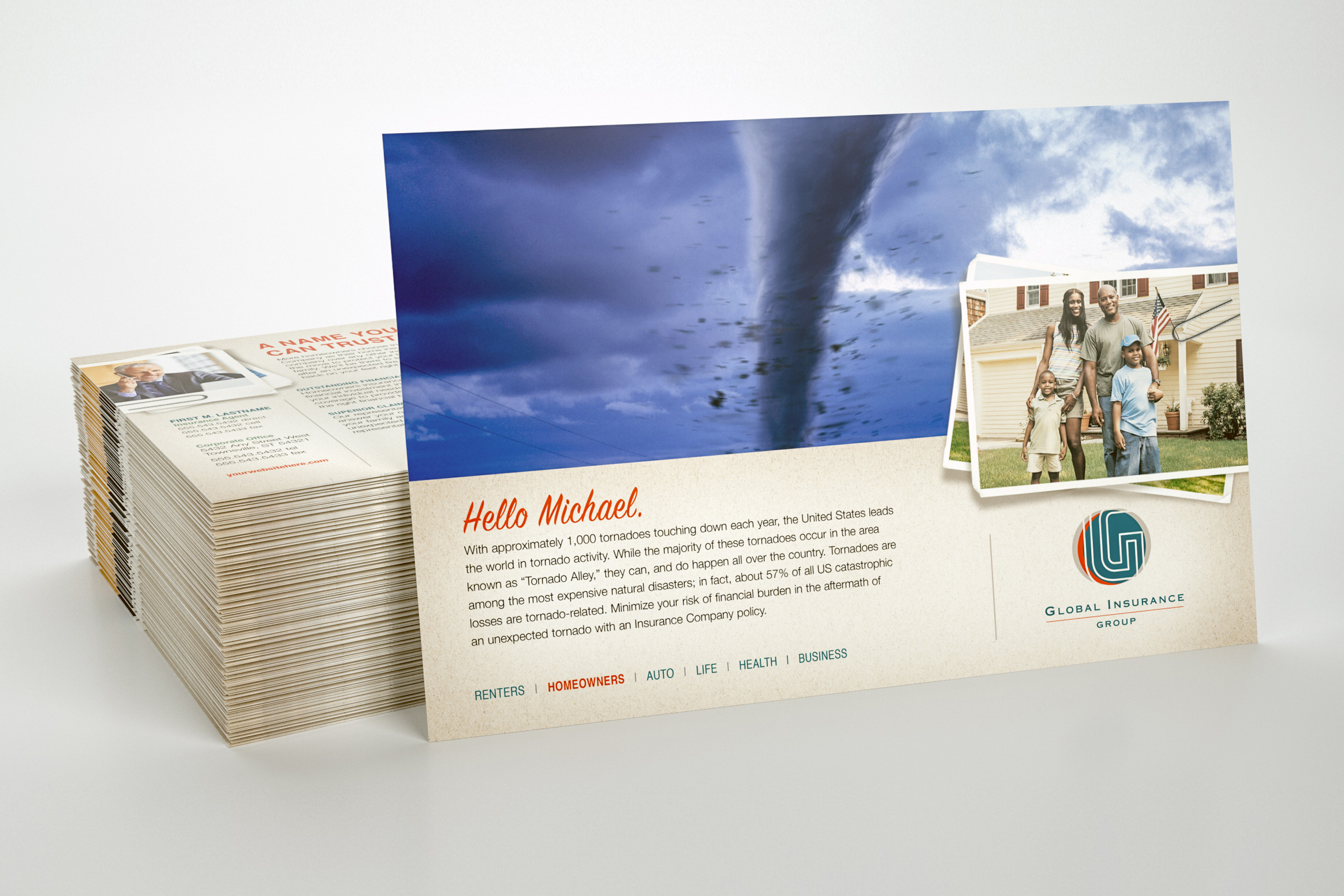
Innovations in digital printing technology enable images and text in printed pieces to be uniquely tailored to an audience of one. This means marketers can focus their budgets on sending printed communications with relevant offers, images, and formats that appeal to individual recipients. Moreover, digital printing has removed previous barriers to using print (e.g., costs and requirements for longer runs). Digital presses can print affordable, short-run work, enabling more organizations to use it.
Compliments digital media
Print compliments digital with a tangible product.
Print and digital channels can complement each other. Using print to drive customers online to view videos, order products, and access additional content leverages the strengths of multiple media. Adding QR codes and other personalized data to print opens the opportunity to connect them to digital content. For example, many businesses are finding success using QR codes as a bridge between print and mobile devices. Creative marketers also embed augmented reality into flyers and postcards to create immersive customer experiences.