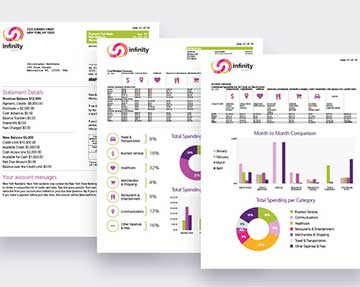
Dynamic Variable Data Printing in Midland, MI
Create Intelligent Personalized Marketing Campaigns
Ever wondered how personalized printed marketing materials, such as direct mail campaigns, are created with such precision? Dynamic Data, also known as Variable Data or VDP, is the key to unlocking endless possibilities in personalized marketing strategies.
Whether you’re a marketing professional seeking to enhance the performance of your campaign or looking for new ways to elevate your brand, this guide will provide you with the necessary tools to execute your next personalized marketing campaign.
Once you understand the fundamentals, you can use Dynamic Data to fully utilize its potential for creating exceptional returns and dynamically driven content. Dynamic data can help you revolutionize your marketing projects and unlock a whole new arsenal of personalized marketing tools.
Benefits of Dynamic Data
Targeted Messaging
Dynamic Data allows businesses to tailor messages, images, offers, and even design elements to individual customers based on their preferences, purchase history, or demographics.
Increased Relevance
By making each piece feel custom-made, Dynamic Data ensures that the communication is highly relevant to the recipient, increasing the likelihood of engagement.
Deeper Connection
Personalized experiences fostered by Dynamic Data can create a stronger connection between the brand and the customer, leading to increased loyalty and brand recall.
Higher Response Rates
Studies have shown that personalized print media typically have higher response rates than generic mailers.
Increased Conversion Rates
By delivering targeted and relevant messages, Dynamic Data can drive higher conversion rates for campaigns.
Cost-Effective Targeting
While the per-unit cost might be slightly higher, Dynamic Data can be more cost-effective in the long run by enabling targeted campaigns with smaller, more focused print runs.
Efficiency and Speed
Dynamic Data is a digital printing process that allows for quick turnaround times and efficient production of personalized materials.
Data Integration
Dynamic Data seamlessly integrates with customer databases, enabling automated personalization and efficient data management.
Unique Tracking
Dynamic Data can be used to create unique identifiers, such as QR codes or barcodes, on each piece, enabling precise tracking throughout the supply chain.
Landing Pages
Dynamic Data can be used to direct recipients to a unique landing page, which is also personalized with data-driven content to complement the campaign further and increase conversion rates. The landing page URL can even be encoded in a dynamic barcode.
Flexibility and Creativity
Dynamic Data enables a range of design variations, allowing designers to create visually engaging and unique pieces.
Applications for Dynamic Data Printing
Variable Images:
Personalized catalogs with images matching customer preferences from a database.
Postcards dynamically displaying different products based on the recipients known preferences or spending habits.
Customized brochures with branch or location specific visuals for targeted marketing.
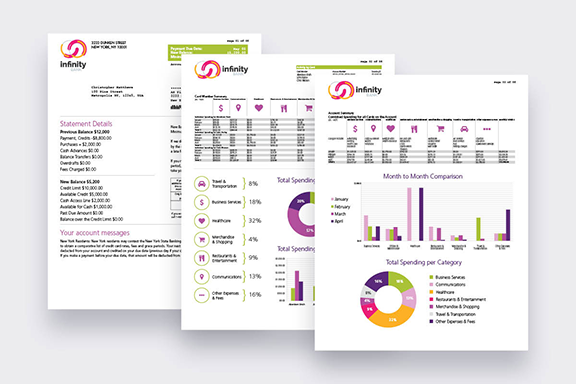
Customized maps displaying nearby branch locations.
Personalized event materials with venue maps tailored to attendee locations.
This could include charts, logos & graphs.
Variable Text:
Tailoring marketing messages to specific customer segments.
Creating personalized and variable text in educational materials.
Customizing text in direct mail pieces to match individual interests.
Variable Colors:
Personalized color schemes in promotional materials based on customer preferences such as their favorite color, gender, color of vehicle, etc.
Customized packaging with variable colors for different product lines.
Sequential Numbering:
Variable numbering on event tickets for tracking and security purposes.
Unique identifiers on certificates, membership cards, or loyalty program materials.
This could include zip codes, VINs, part numbers & dates.
Geo Targeting:
Regionalized promotions in direct mail campaigns based on recipient location.
Variable content in brochures or catalogs tailored to the preferences of different geographic areas.
Location-specific information in event materials for targeted audiences.
Versioning:
Versioned catalogs with different product selections for various customer segments.
Regional versioning in marketing materials to account for cultural differences.
Barcodes:
Personalized QR codes on direct mail pieces linking to individualized promotions.
Customized QR codes on event materials for personalized access or engagement.